EPSRC-funded at the University of Glasgow, developing AI systems to decode social cues using wearble sensors for autistic adults in workplace.
The research develops a multi-modal AI approach using wearable sensors, building on my previous work on the UPEC diagnostic device and my publications in high-impact scientific journals.
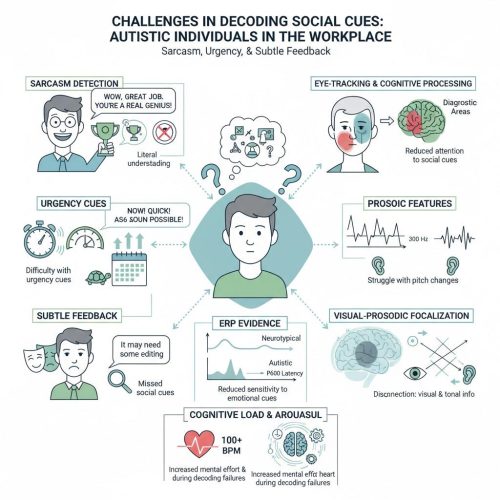
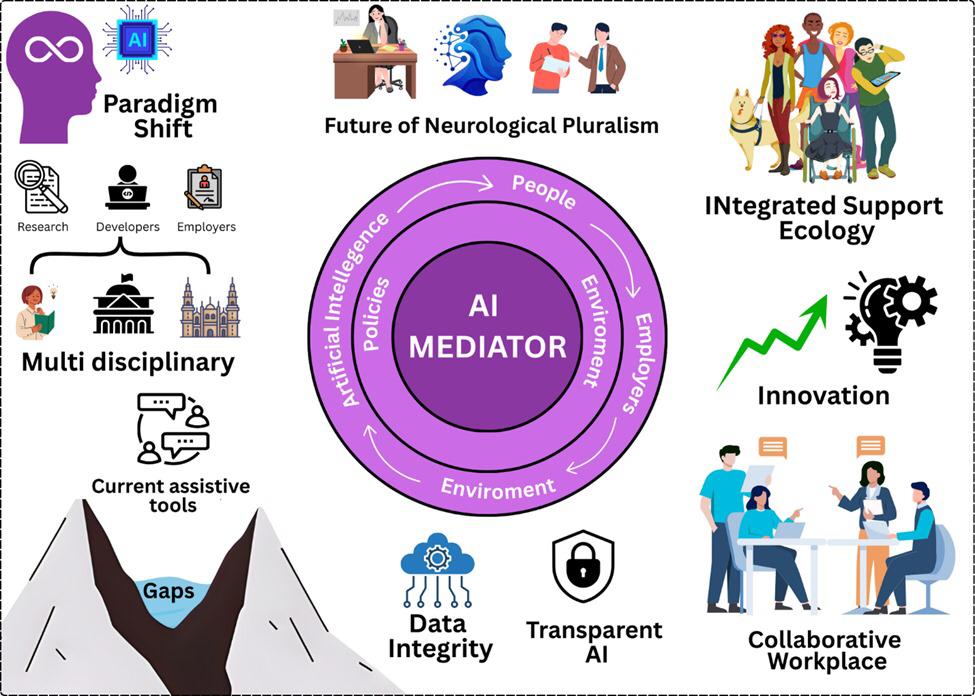
I’m Muhammad Hasan Masrur, a PhD student in Biomedical Engineering at the University of Glasgow, fully funded by the Engineering and Physical Sciences Research Council (EPSRC). My research lies at the intersection of AI, wearable sensors, and neurodiversity. I am developing a novel, multi-modal AI system that decodes neurotypical social intent in real-time using physiological and contextual data, with the goal of co-creating an ethical support tool for autistic adults in the workplace.
I completed my B.Sc in Biomedical Engineering at Riphah International University with a CGPA of 4.0/4.0, where I led the development of an ultra-low-cost, AI-powered portable cardiopulmonary diagnostic device integrating ECG, PCG, and PPG signals. I have presented my work at multiple conferences and co-authored papers in high-impact journals such as Journal of Science: Advanced Materials and Devices, Chemical Engineering Journal, and Nano Energy.
Research Journals
Significant contributions in biomedical engineering, particularly in AI-integrated wearable sensors and healthcare solutions, have resulted in collaborations with leading institutions. The work has been featured in top-tier journals, including
Shaping the Future of Healthcare
Developing next-generation diagnostic tools and assistive technologies through AI-integrated biomedical systems
Explored hybrid sensor integration in wearable devices to enhance cardiovascular health monitoring, combining multiple sensing modalities for more robust detection and tracking of cardiac conditions.
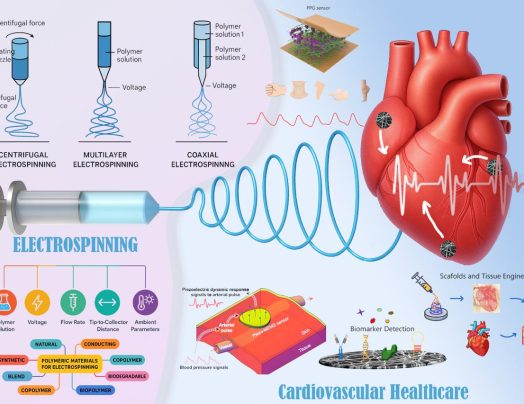
Investigated electrospun nanofibers as flexible, high-sensitivity platforms for wearable cardiovascular health monitoring, supporting the design of comfortable, next-generation medical textiles.
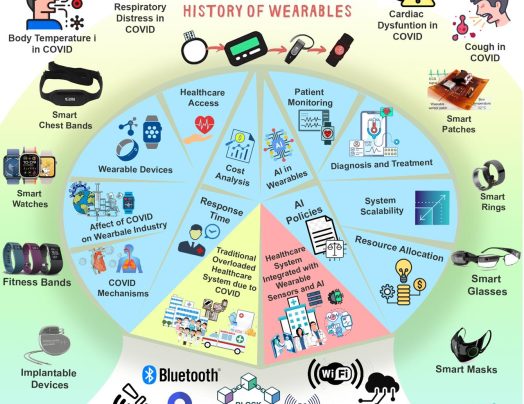
Co-authored a comprehensive review on AI-integrated wearable sensors in the post-COVID era, highlighting how smart wearables enable continuous, remote monitoring and data-driven clinical decision-making.
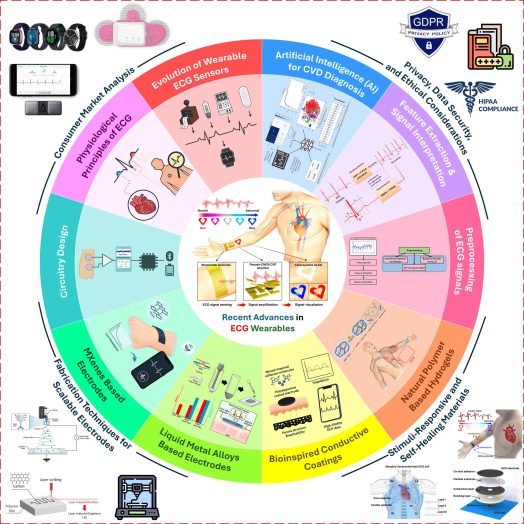
Analyzed next-generation wearable ECG systems that combine soft, skin-conformal materials with AI algorithms to provide personalized, continuous cardiac monitoring and early risk detection.
PhD in Biomedical Engineering
University of Glasgow
2025 - Present
I am first-year Biomedical Engineering PhD student at the University of Glasgow, I work at the intersection of AI and wearable sensors. I’m building multimodal systems that interpret real-time physiological and contextual signals to help support neurodiverse individuals, with a strong emphasis on ethical design and user-centered approaches.
B.Sc Biomedical Engineering
Riphah International University
2021- 2025
CGPA : 4.00/4.00
I completed my Bachelor’s in Biomedical Engineering at Riphah International University, Pakistan, and completed multiple projects. This experience has strengthened my technical skills and broadened my understanding of global healthcare trends.
UNDP Youth Empowerment Initiative
United Nations Volunteers
June 2024 – Present (1 yr 6 mos)
I volunteered with the UNDP Youth Empowerment Portfolio in the Asia-Pacific region, contributing to the #SkillUpRiseUp Digital Campaign focused on youth skills development. Through my online volunteering efforts, I actively supported the Sustainable Development Goals, demonstrating my commitment to empowering youth and making a positive impact in the community.
Information Technology
Crisis Text Line
June 2024 – Present (1 yr 6 mos)
I volunteered with the UNDP Youth Empowerment Portfolio in the Asia-Pacific region, contributing to the #SkillUpRiseUp Digital Campaign focused on youth skills development. Through my online volunteering efforts, I actively supported the Sustainable Development Goals, demonstrating my commitment to empowering youth and making a positive impact in the community.
Member - Amnesty International
Amnesty International
September 2023 – Present (2 yrs 3 mos)
Support human rights advocacy through campaigns and email outreach. Completed the course “An Introduction to Human Rights,” earning a participation certificate that enhanced my understanding of essential human rights principles.
Member
Alkhidmat Foundation
August 2024 – January 2025
This volunteer activity involves contributing to community service initiatives and humanitarian projects with Alkhidmat Foundation Pakistan from August 2024 to January 2025. The focus is on supporting education, healthcare, and social welfare efforts to improve the lives of underserved communities.
Awards & Achievements
EPSRC Studentship
Recipient of a fully-funded EPSRC Doctoral Training Award, one of the UK’s most competitive and prestigious research scholarships for engineering and physical sciences, covering all tuition fees and providing a living stipend.
Mumtaz Scholarship
Received the prestigious Mumtaz Scholarship at Riphah International University for 2021–2025, awarded to top academic performers, covering my studies and recognizing sustained excellence in coursework, assessments, and overall academic performance.
Personal Blog
Reflections and Future Insights
I’ve shared my journey through biomedical engineering and research, offering personal reflections and insights. Moving forward, I’ll continue exploring these areas, sharing what I learn, and reflecting on how technology can shape the future of healthcare.