Teaching

My teaching centres on creating a supportive learning environment where students can strengthen their understanding, develop practical insight, and grow in confidence as independent learners.

ENG4037 : Computational Fluid Dynamics 4

This course focuses on the theory and application of Computational Fluid Dynamics (CFD), including fluid flow equations, mesh generation, discretisation methods, and numerical solution strategies. Through practical work in STAR-CCM+ and MATLAB, students develop hands-on experience in modelling, simulating, and analysing engineering flow problems.

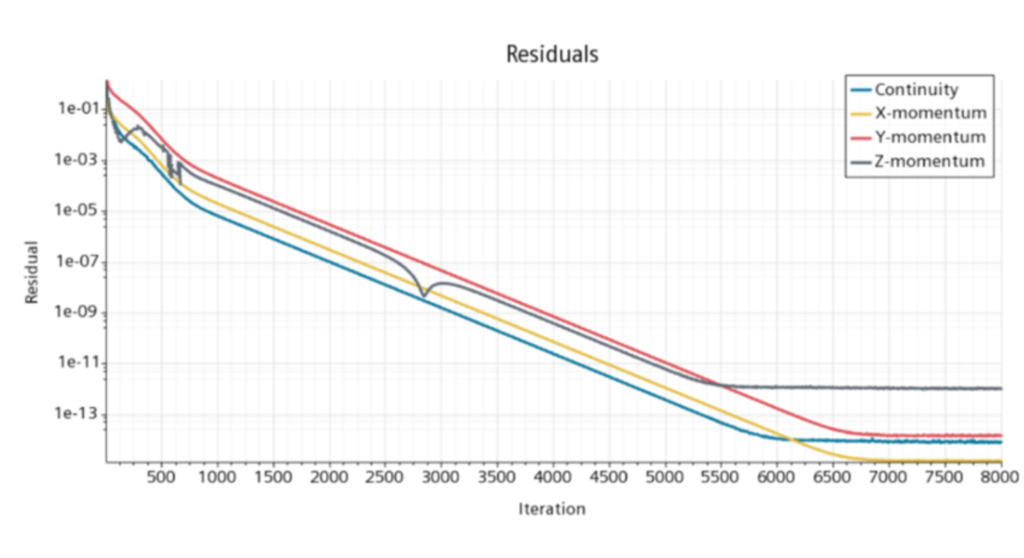
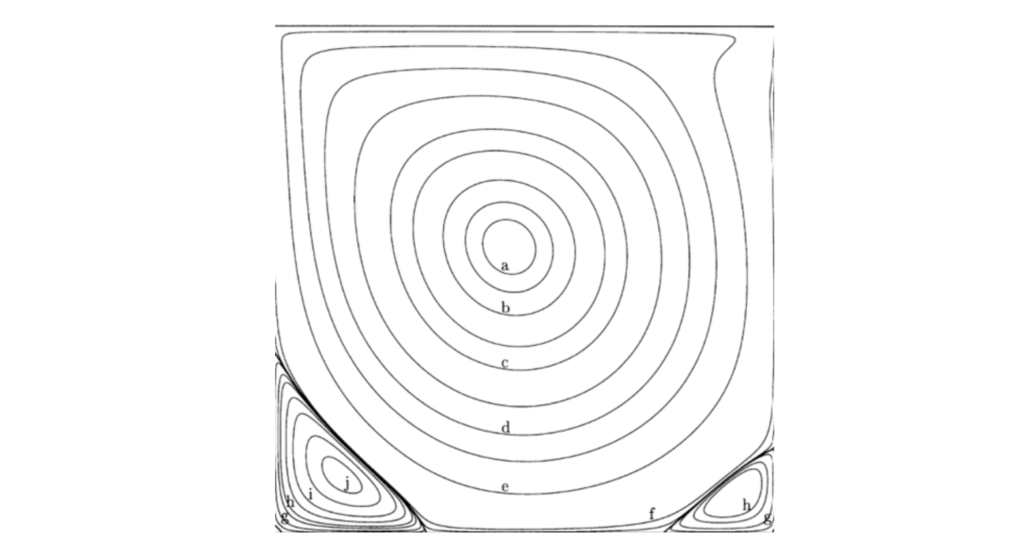
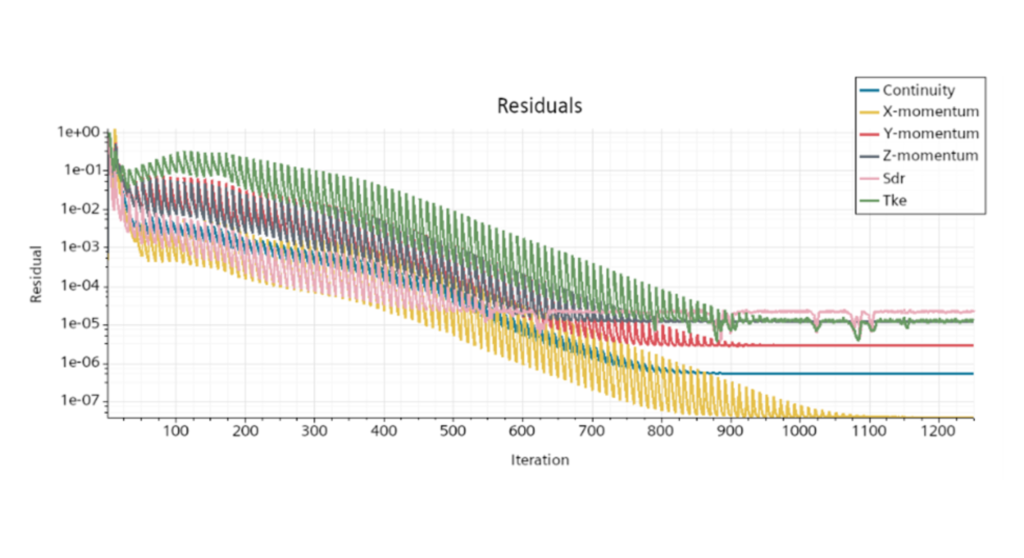
Lab 1: Lid Driven Cavity Flow

Simulates lid-driven cavity flow to study vortices, wall motion, mesh setup, solver performance, and convergence studies.

lab1 (2)

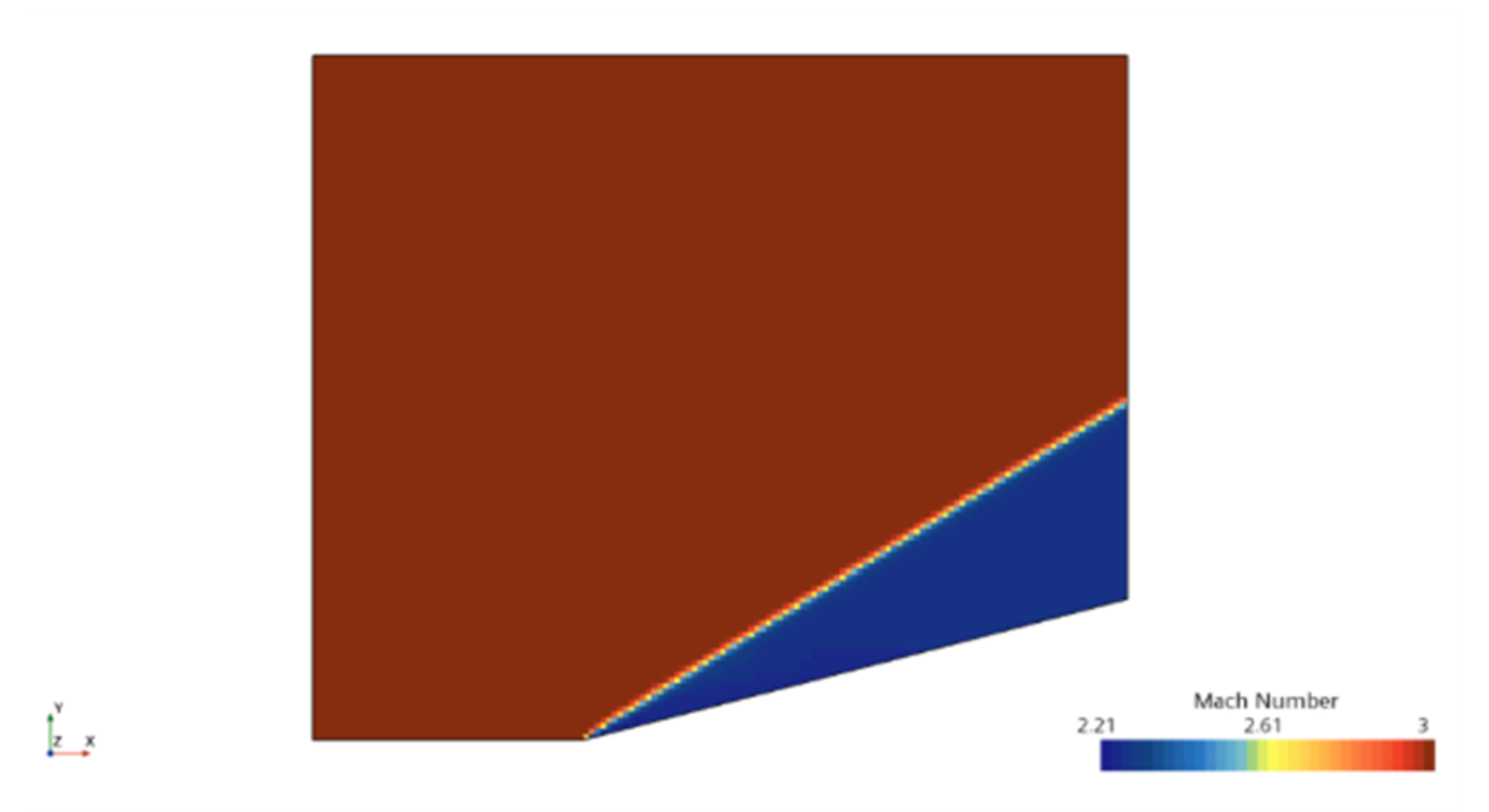
Lab 2: Supersonic flow over a wedge

Examines supersonic flow over a wedge, focusing on shock formation, wave angles, compressibility, and pressure behaviour.

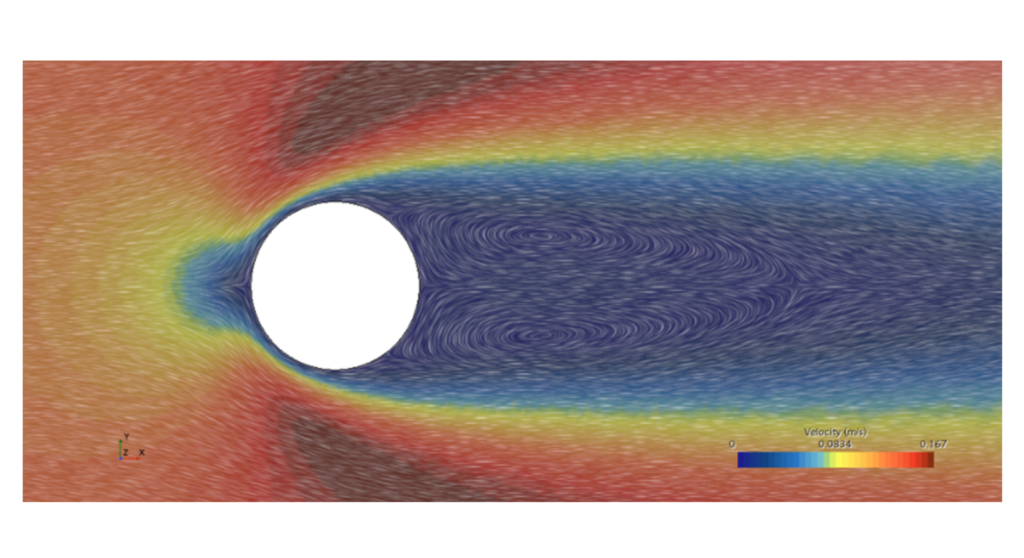
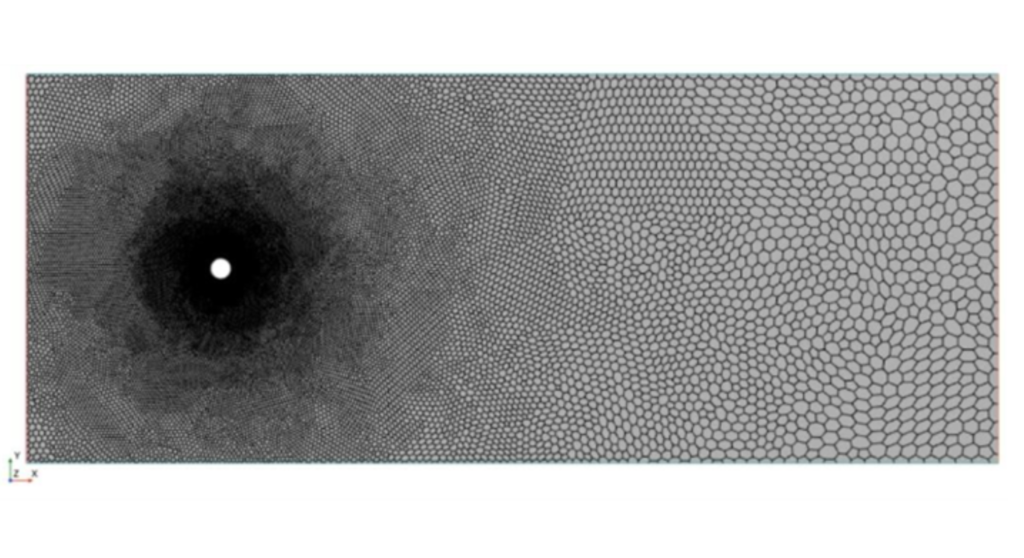
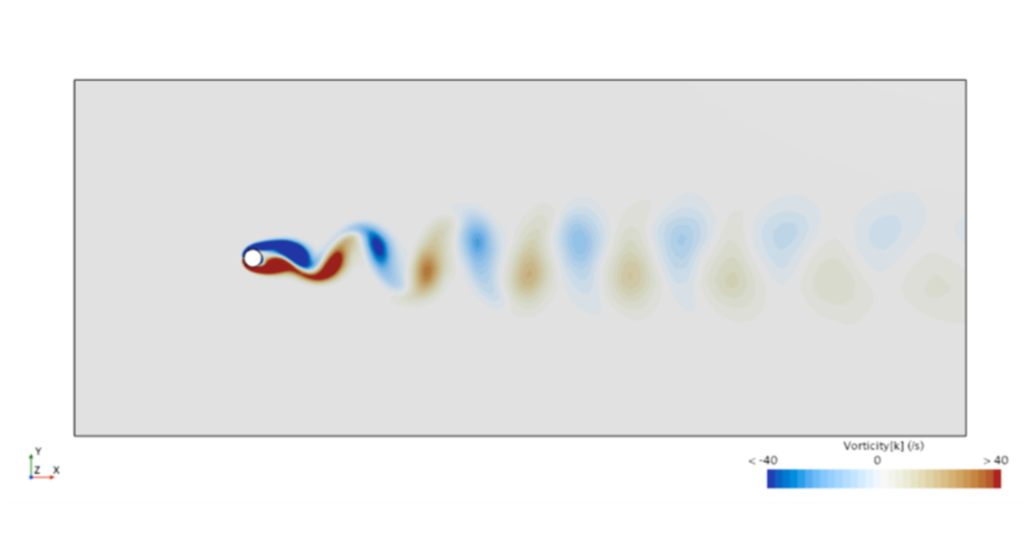
Lab 3: Flow Past a Cylinder

Models external flow past a cylinder to examine separation, wake formation, drag behaviour, and vortex shedding patterns.

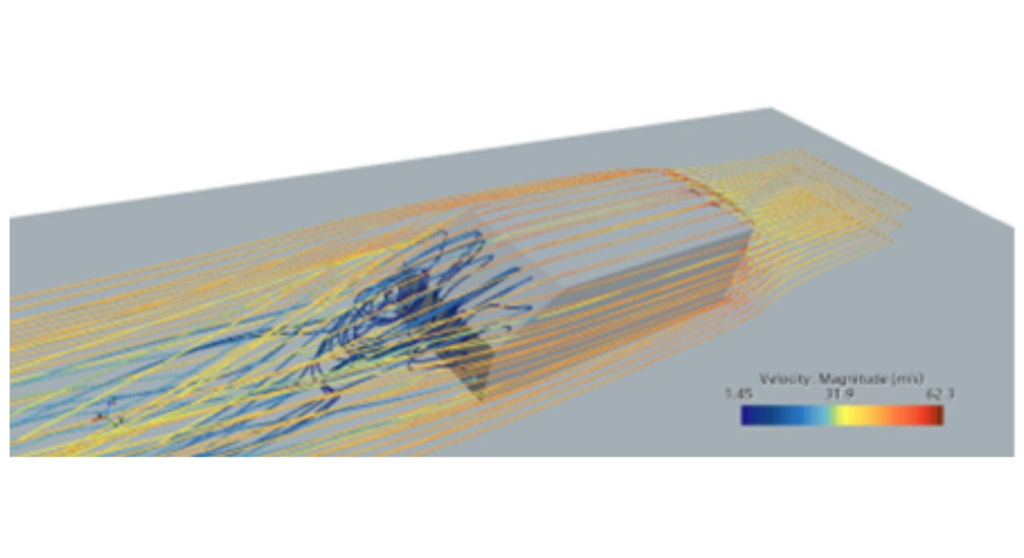
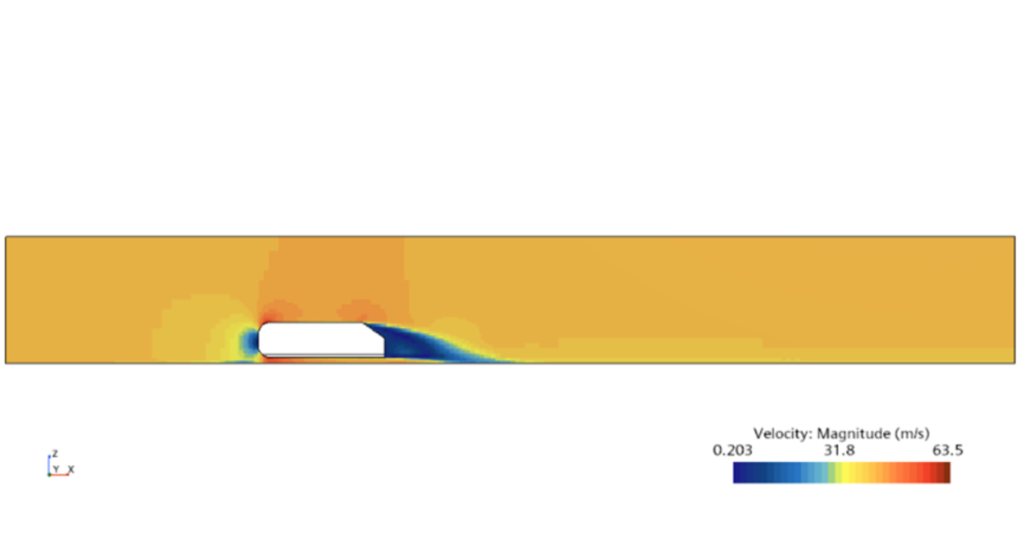
Lab 4: Flow Past a Simplified Car Model

Analyses airflow past a simplified car model to evaluate surface pressure, wake structures, and aerodynamic drag effects.

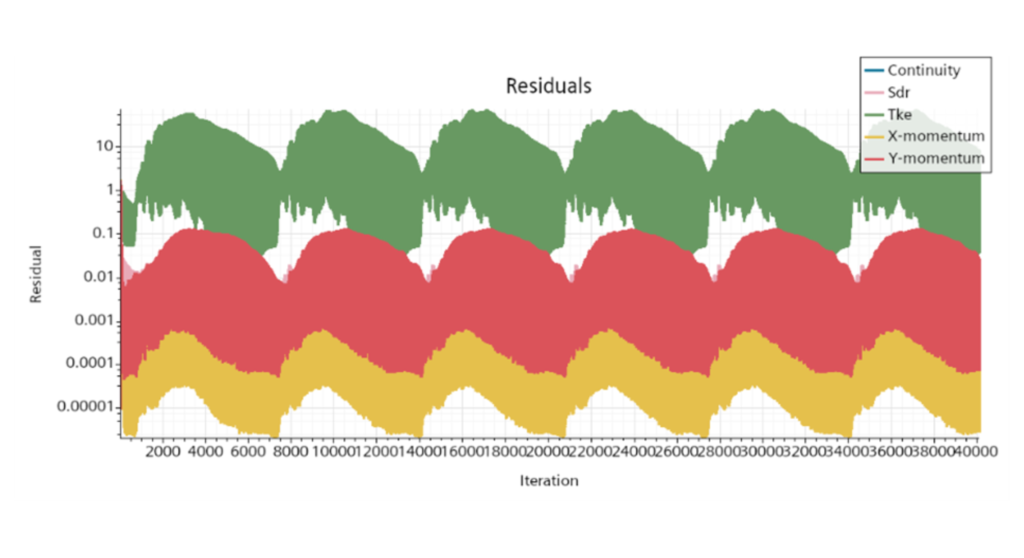
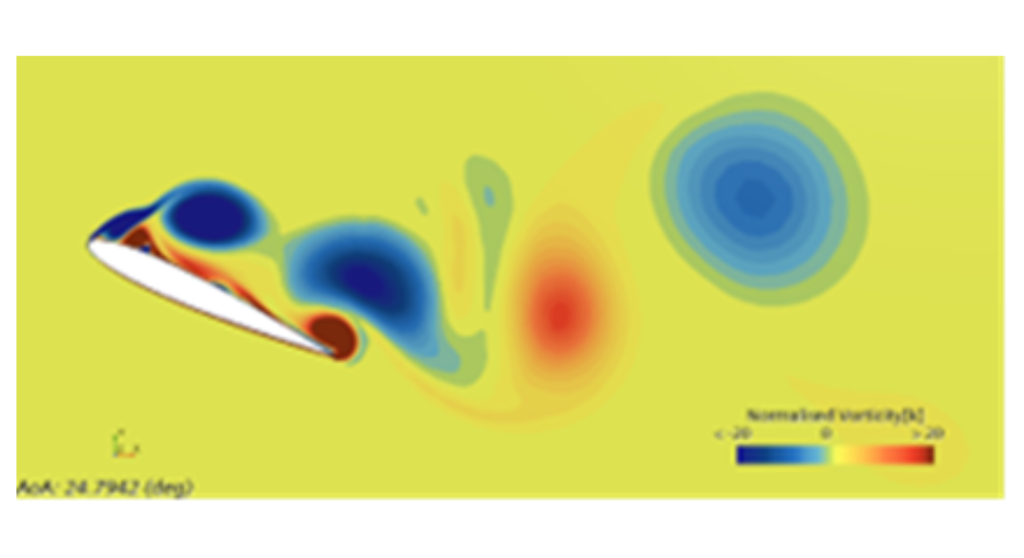
Lab 5: Dynamic Stall of a Pitching Aerofoil

Investigates flow over a pitching aerofoil to study dynamic stall, lift response, hysteresis, and transient wake effects.

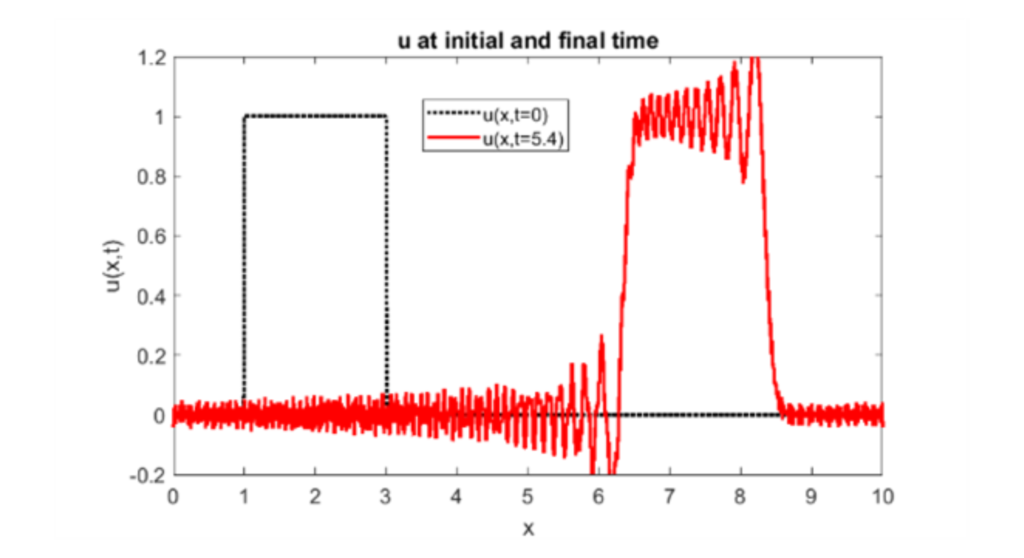
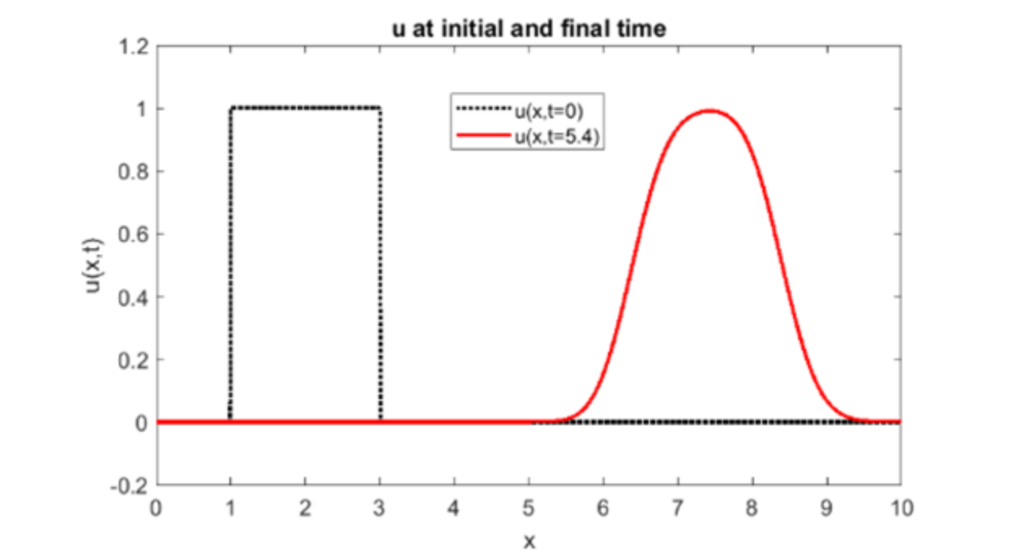
Lab 6: Linear Advection Schemes in MATLAB

Uses MATLAB to compare linear advection schemes, examining stability, accuracy, phase errors, and numerical oscillations.

ENG2015 : Design and Manufacture 2

This course builds on students’ engineering knowledge by linking design and manufacturing. You will explore materials selection using CES EduPack, understand limits and fits for interchangeability, analyse costing methods, and learn practical approaches for casting and sheet metal forming. Techniques for heat treatment, inspection, and quality control are integrated to provide a complete perspective on manufacturing and its impact on design.

ENG1033 : Materials 2

This course builds on concepts introduced in Materials 1, linking the structure of engineering materials to their properties and real-world applications. Students will gain hands-on experience in basic laboratory techniques, apply engineering principles in practice, and develop skills in working collaboratively as a team to investigate materials behaviour.